
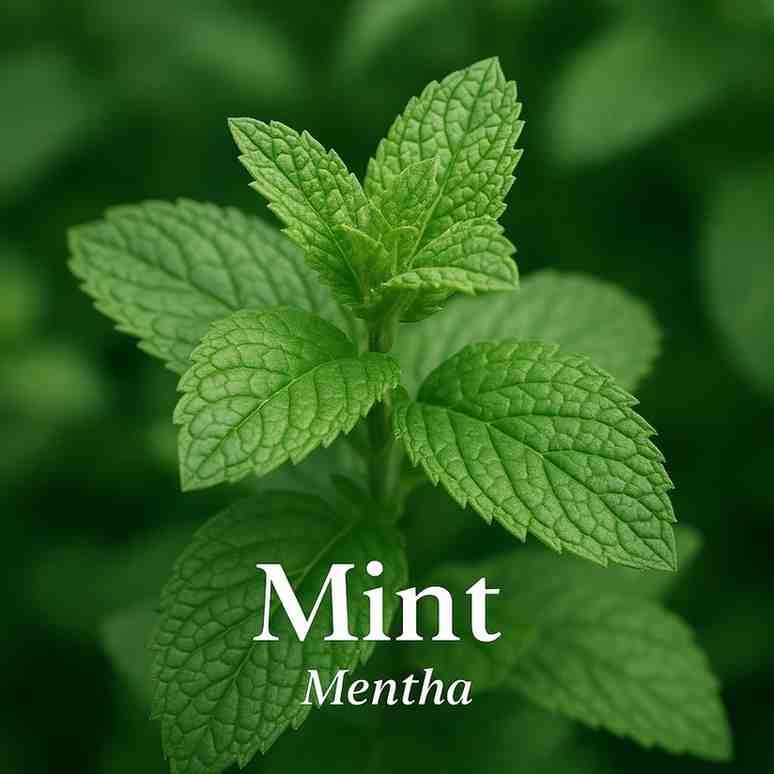
What is the scientific name of mint? The mint scientific name is mentha (genus).
Mint is one of the most famous species of herbs in the world, known for its cooling flavor and fresh aroma, and commonly used in cooking, herbal remedies, cosmetics, and in various cultural traditions. In this article, we will cover the mint scientific name, types of mint, uses, benefits, and why these leaves are so cosmically valued.
Table of Contents
What is the scientific name of mint?
Mentha is the scientific name for the mint plant. It falls under the family Lamiaceae, which also embraces basil, rosemary, and sage.
- Biological name for mint leaves: Mentha
The variant form of mentha is derived from Greek mythology, where a nymph named Manthe is said to have transformed into a fragrant herb, known as mint.
How to pronounce the mint scientific name
Mentha is pronounced in both American and British English as MEN-thuh (/ˈmɛnθə/ in IPA), with emphasis on the first syllable. The “th” should be pronounced like in “thin,” and the final “a” is pronounced like a short “uh.”
Here is an explanation for its pronunciation:
- MEN: (like the word “men”)
- thuh: (like the “th” in the word “thin” followed by the “uh” sound like in the word “sofa”)
Biological meaning of the scientific name of mint
Mint’s scientific name, Mentha, comes from a story in Greek mythology about a nymph named Menthe, who was transformed into the fragrant herb. Within this genus, each species has its own meaning. For example, peppermint (Mentha × piperita) and spearmint (Mentha spicata) are two well-known varieties with separate identities.
Biological Classification of Mint Plant
Mint is part of the Mentha genus, a group of aromatic herbs that fall into the Lamiaceae family, commonly known as the mint family. Here is a detailed scientific classification of mint:
| Rank | Classification |
|---|---|
| Kingdom | Plantae (Plants) |
| Clade | Angiosperms (Flowering plants) |
| Clade | Eudicots |
| Clade | Asterids |
| Order | Lamiales |
| Family | Lamiaceae |
| Genus | Mentha |
Types of Mint
Mint is a genus of several aromatic plants that vary in flavor, scent, and uses. Here is a list of the most commonly used types in cooking, herbal teas, essential oils, and natural remedies, along with their descriptions.
1. Peppermint (Mentha × piperita):
Peppermint is a hybrid plant that comes from water mint and spearmint, characterized by its cooling effect and strong aroma.
- Flavor and aroma: Powerful, cooling, and refreshing.
- Common uses: Tea, candy, chocolate, oil, digestive remedies, and aromatherapy.
- Benefits: Helps relieve indigestion, headaches, nausea, and a stuffy nose.
2. Spearmint (Mentha spicata):
Spearmint is a plant that is sweeter and milder in flavor than peppermint, making it a suitable choice for everyday cooking.
- Taste and Aroma: Sweet, light, fresh minty aroma.
- Common uses: Salads, raita, chutneys, mojitos, teas, and savory dishes.
- Benefits: Its calming properties help with digestion and balance hormones.
3. Water Mint (Mentha Aquatica):
Water mint is a plant that can live naturally along riverbanks, ponds, and marshy areas.
- Taste and Aroma: A strong minty smell with a hint of spiciness.
- Common uses: Mint is used to obtain mint. It is commonly used in some cases in natural medicines.
- Benefits: Water mint has been used for centuries for digestive and antibacterial purposes.
4. Apple Mint (Mentha suaveolens):
Apple mint is a plant identified by its hairy, soft leaves and light, apple-like aroma.
- Taste and aroma: Mildly fruity and sweet.
- Common uses: Herbal teas, garnishes, jellies, and ornamental gardening.
- Benefits: Soothing herb for teas; used to support relaxation and mild digestion.
5. Chocolate Mint (Mentha × piperita ‘Chocolate’):
Chocolate Mint is a unique type of mint with a chocolate-like aroma, making it popular for desserts.
- Taste and aroma: Minty with a subtle chocolate note.
- Common uses: Desserts, hot chocolate, cocktails, baking, and tea.
- Benefits: Offers the digestive and calming benefits of mint.
6. Pineapple Mint (Mentha suaveolens ‘Variegata’):
A variegated version of apple mint, known for its decorative look and fruity scent.
- Taste and Aroma: Mild, tropical, pineapple-like aroma.
- Common Uses: Garden decoration, infused water, tea, and garnish.
- Benefits: Refreshing herb used for mild digestive and aromatherapy.
| Mint Type | Scientific Name |
|---|---|
| Peppermint | Mentha × piperita |
| Spearmint | Mentha spicata |
| Watermint | Mentha aquatica |
| Apple Mint | Mentha suaveolens |
| Chocolate Mint | Mentha × piperita ‘Chocolate’ |
| Pineapple Mint | Mentha suaveolens ‘Variegata’ |
| Horsemint | Mentha longifolia |
| Corsican Mint | Mentha requienii |
| Vietnamese Mint | Persicaria odorata (commonly called mint) |
| Ginger Mint | Mentha × gracilis |
| Banana Mint | Mentha arvensis ‘Banana’ |
| Catmint (Catnip) | Nepeta cataria |
| Pennyroyal | Mentha pulegium |
| Curly Mint | Mentha spicata ‘Crispa’ |
| Bergamot Mint | Mentha × piperita var. citrata |
Mint Leaves
Mint leaves come from the plant, which is said to have effects that cool the body, as well as being the source of the latter’s aroma, and its organoleptic and therapeutic properties.
Key Features of Mint Leaves:
- Green, jagged edges
- Penetrating scent
- Cooling effect
- Creator of fragrant oils
- Involved in making herbal teas, chutneys, salads, drinks, and cosmetic products
Mint leaves are among the most popular herbs with both medicinal and culinary uses spread over many continents.
Uses of Mint
Culinary Uses:
Mint, with its refreshing taste, is a versatile herb that fits into many dishes:
- Infusions and herbal drinks
- Sauces and dips
- Mixed vegetable dishes and decoration
- Sweets and frozen desserts
- Soft drinks and cocktails
Medicinal Uses:
Mint has a long history as a holistic treatment:
- Aids in digestion
- Soothes nausea
- Relieves migraine
- Opens up the nasal passage
- Soothes stomach discomfort
Cosmetic and Household Uses:
- Mint oil is a key component in toothbrushes and mouthwash
- Mint is a common ingredient in skin and hair care products
- Mint is one of the natural air deodorants
- Mint acts as an insect repellent
Health Benefits of Mint
1.Supports Digestion:
Mint is notably the most effective remedy for stomach problems. It moistens the digestive system, reduces gas and bloating, and helps move food through the intestines. One warm cup of peppermint tea is one of the most effective and simplest cures for fast digestive relief.
2. Freshens Breath:
The leaves of mint serve as a natural mouth cleaner. They combat the bacteria responsible for bad breath and give a cool, clean, and fresh taste to your breath—one of the reasons why mint is used in toothpaste and mouthwashes.
3. Helps With Respiratory Relief
The menthol content in mint helps to clear the nose, making breathing easier. It can help relieve nasal congestion caused by colds, allergies, or sinus infections.
4. Reduces Stress
Mint’s delightful smell has a soothing and uplifting effect. The aroma of mint alone can lower stress, reduce mental exhaustion, and help relax.
5. Boosts Immunity
Mint is full of antioxidants, vital vitamins, and antibacterial substances. These together help boost the immune system and offer protection to the body against infections.
6. Skin and Hair Benefits
Mint’s cooling and anti-inflammatory features provide treatment for acne, itching, dandruff, and scalp irritation. It calms the skin, takes care of the excessive oil, and thus encourages the growth of a cleaner and healthier scalp.
Mint Leaves Nutrition Facts (Per 100g)
| Nutrient | Amount |
|---|---|
| Calories | 44 kcal |
| Carbohydrates | 8.4 g |
| Dietary Fiber | 2 g |
| Protein | 3.3 g |
| Fat | 0.7 g |
| Vitamin A | 4248 IU |
| Vitamin C | 31.8 mg |
| Vitamin B2 (Riboflavin) | 0.266 mg |
| Vitamin B3 (Niacin) | 1.706 mg |
| Folate | 114 µg |
| Calcium | 199 mg |
| Iron | 11.87 mg |
| Magnesium | 63 mg |
| Potassium | 458 mg |
| Phosphorus | 73 mg |
Mint Common Names in Different Countries
| Country | Local Name for Mint |
|---|---|
| United States | Mint |
| United Kingdom | Mint |
| India | Pudina |
| Pakistan | Pudina |
| China | 薄荷 (Bòhé) |
| Japan | ミント (Minto) / ハッカ (Hakka) |
| Spain | Menta |
| France | Menthe |
| Germany | Minze |
| Saudi Arabia | نعناع (Na’na) |
Conclusion
Mentha is the scientific name of mint. Mentha is one of the most versatile herbs, with medicinal benefits and culinary uses. Mint in any form—peppermint, spearmint, or any other—has a supportive effect on the digestive system, it gives immunity a boost, it makes food and drinks more palatable, and it provides consumers with the natural wellness benefits. The cool freshness, the high nutritional content, and strong aroma of mint have kept it a favorite not only for herbal remedies but also for daily health support and cooking, thus making the herb indispensable in kitchens, gardens, and natural medicine.
Also Read:
- Chili Scientific Name, Genus, Types, Uses, and its Benefits
- Aloe Vera Scientific Name, Nutrition, Types, Uses, and Benefits
- Neem Scientific Name, Genus, Types, Uses, and it’s Benefits
- Lemon Scientific Name, Genus, Types, Uses, and its Benefits
FAQs About Mint
What is the scientific name of mint?
The scientific name of mint is Mentha. Peppermint is Mentha × piperita, and spearmint is Mentha spicata.
What are the main types of mint?
Common types include peppermint, spearmint, apple mint, chocolate mint, and water mint.
What are the uses of mint?
Mint is used in cooking, teas, skincare, herbal medicine, aromatherapy, and natural remedies.
What are the health benefits of mint?
Mint helps with digestion, nausea, headaches, breathing issues, and oral health.
Can mint leaves be used fresh or dried?
Yes. Mint leaves can be used fresh for flavor or dried for teas and herbal treatments.
Thankyou for this post, I am a big fan of this website would like to continue updated.