What is the scientific name for white birds? The all white birds scientific name is Aves (Class).
White-colored birds inhabit wetlands, forests, seas, grasslands, and even very chilly areas. The search for the scientific name that refers to the color white is a multifaceted one, as different families of birds are associated with the same name owing to their white feathers. The color of the feathers is not a trait that can define one species. Every bird is different in terms of its biological name, classification, size, diet, and habitat. The following guide combines the use of real facts, and a comprehensive list of white bird categories, each with 10 types.
Table of Contents
What Is the White Birds Scientific Name?
A single universal white scientific name for all white birds does not exist. Many species may seem white, but each is still identified by its genus and family.
Here are some instances:
- White Swan: Cygnus olor
- Snowy Owl: Bubo scandiacus
- Great Egret: Ardea alba
The term “white” has its roots in Latin as alba, which is a common part of many scientific names.
Biological Classification of White Birds
White birds belong to different families. Here is a handy table.
| Common Name | Scientific Name | Family | Order | Class |
|---|---|---|---|---|
| White Dove | Columba livia | Columbidae | Columbiformes | Aves |
| Great Egret | Ardea alba | Ardeidae | Pelecaniformes | Aves |
| Snowy Owl | Bubo scandiacus | Strigidae | Strigiformes | Aves |
| White Swan | Cygnus olor | Anatidae | Anseriformes | Aves |
| Snow Goose | Anser caerulescens | Anatidae | Anseriformes | Aves |
Full List of White Birds Scientific Name
A total of five main categories are presented below, each containing 10 species of white birds along with their scientific names.
1. Water White Birds (Aquatic Species)
White birds that live in lakes, ponds, streams, and wetlands.
| White Bird | Scientific Name |
|---|---|
| Great Egret | Ardea alba |
| Mute Swan | Cygnus olor |
| Whooper Swan | Cygnus cygnus |
| Trumpeter Swan | Cygnus buccinator |
| Snow Goose | Anser caerulescens |
| Ross’s Goose | Anser rossii |
| White Ibis | Eudocimus albus |
| Little Egret | Egretta garzetta |
| Cattle Egret | Bubulcus ibis |
| American White Pelican | Pelecanus erythrorhynchos |
2. Land White Birds (Forest & Field Species)
These birds inhabit grasslands, fields, villages, and forested areas.
| White Bird | Scientific Name |
|---|---|
| White Dove | Columba livia domestica |
| Rock Pigeon (White Morph) | Columba livia |
| White Sparrow (Leucistic) | Passer domesticus |
| White Java Sparrow | Lonchura oryzivora |
| White Wagtail | Motacilla alba |
| Snow Bunting | Plectrophenax nivalis |
| Eurasian Collared Dove | Streptopelia decaocto |
| White Quail | Coturnix japonica |
| White Finch | Geospiza spp. |
| Ptarmigan (winter white) | Lagopus muta |
3. Arctic White Birds (Cold Region Species)
These birds naturally turn white to survive in snowy and icy conditions.
| White Bird | Scientific Name |
|---|---|
| Snowy Owl | Bubo scandiacus |
| Ivory Gull | Pagophila eburnea |
| Snowy Sheathbill | Chionis albus |
| Gyrfalcon (White Morph) | Falco rusticolus |
| Snow Petrel | Pagodroma nivea |
| Arctic Tern | Sterna paradisaea |
| Northern Fulmar (white form) | Fulmarus glacialis |
| Ross’s Gull | Rhodostethia rosea |
| Kittiwake (white body) | Rissa tridactyla |
| Willow Ptarmigan (winter) | Lagopus lagopus |
4. Sea White Birds (Ocean and Coastal Species)
Seabirds often have white feathers for sun and water adaptation.
| White Bird | Scientific Name |
|---|---|
| Herring Gull | Larus argentatus |
| Great Black-backed Gull | Larus marinus |
| Laughing Gull (white body) | Leucophaeus atricilla |
| Royal Tern | Thalasseus maximus |
| Caspian Tern | Hydroprogne caspia |
| White Tern | Gygis alba |
| Black-legged Kittiwake | Rissa tridactyla |
| Northern Gannet | Morus bassanus |
| Red-billed Tropicbird | Phaethon aethereus |
| Fairy Tern | Gygis microrhyncha |
5. Domestic and Farm White Birds
These white birds are commonly found on farms, in homes, and in aviaries.
| White Bird | Scientific Name |
|---|---|
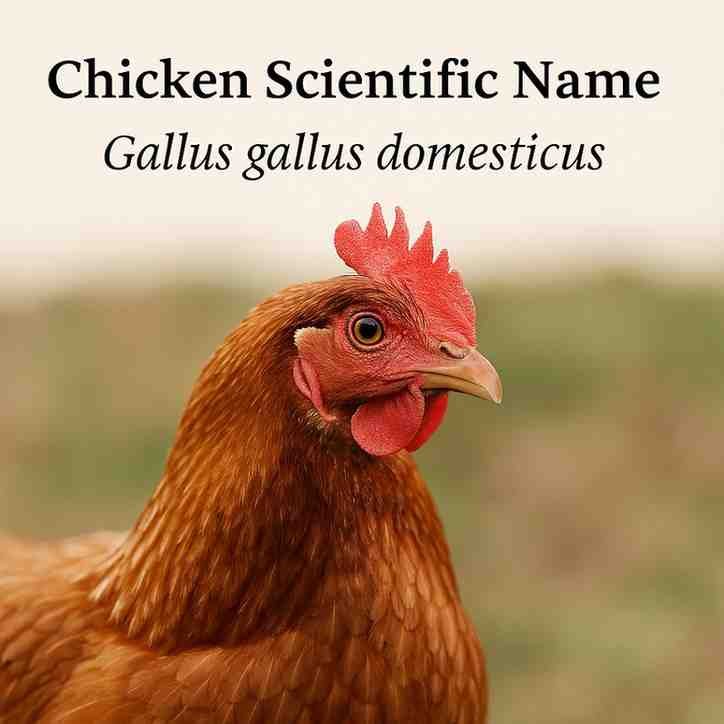
| White Chicken | Gallus gallus domesticus |
| White Duck | Anas platyrhynchos domesticus |
| White Turkey | Meleagris gallopavo |
| White Goose | Anser anser domesticus |
| White Pigeon | Columba livia domestica |
| White Canary | Serinus canaria domestica |
| White Peacock | Pavo cristatus |
| White Parrot | Melopsittacus undulatus |
| White Guinea Fowl | Numida meleagris |
| White Bantam | Gallus gallus domesticus |
Age, Weight, Size, and Color of White Birds

Age Range
- Small birds: 3–10 years
- Medium birds: 10–20 years
- Large birds (swans, pelicans): 20–35 years
Weight
- Small birds: 20–200 g
- Medium water birds: 700–1500 g
- Large birds: 7–12 kg
Size and Height
- Small species: 10–25 cm
- Medium species: 50–90 cm
- Large species: 120–160 cm
Diet of White Birds
White birds eat depending on their species, size, and habitat. Their diet includes seeds, grains, fish, insects, aquatic plants, small mammals, and marine food. Each group has its own feeding style.
Seed and Grain Eaters:
These white birds prefer seeds, grains, cereals, and small plant material:
- Doves
- Some sparrows
- Snow geese
- White pigeons
- White quails
- White finches
- Ptarmigans (winter white)
- White Java sparrows
- Domestic white chickens
- White turkeys
Fish-Eating Birds:
These white birds eat small fish, crustaceans, and aquatic animals:
- Swans
- Egrets
- Sea birds
- American white pelicans
- Royal terns
- Caspian terns
- Northern gannets
- Arctic terns
- Snow petrels
- Fairy terns
Meat and Rodent Eaters:
These birds hunt small mammals, reptiles, and insects:
- Snowy owls
- Gyrfalcons (white morph)
- Ivory gulls
- White hawks
- Barn owls (white morph)
- Peregrine falcons (white mutation)
- White kites
- Ptarmigans (summer diet: insects + small rodents)
- Kittiwakes (eat fish + small marine animals)
- White shrikes (insect + small rodent diet
Habitat of White Birds: Where White Birds Live
White birds live in different habitats based on adaptation.
- Wetlands and rivers
- Oceans and coastal areas
- Arctic tundra
- Forests and open fields
- Human settlements
- Lakes, Ponds, and Marshes
- Farmlands and Agricultural Fields
- Islands and Remote Coastal Zones
- Mountainous Areas
Conclusion
White birds belong to several species, families, and habitats. The term white birds scientific name does not describe a single species but includes hundreds of birds with white plumage. Each category listed above helps readers learn the correct biological names, characteristics, lifespan, diet, and habitats of the most common white birds.