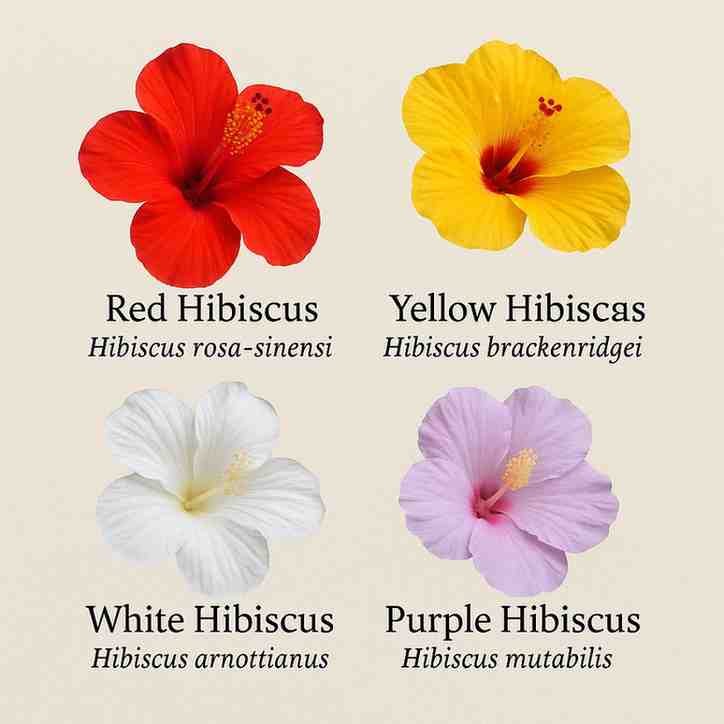
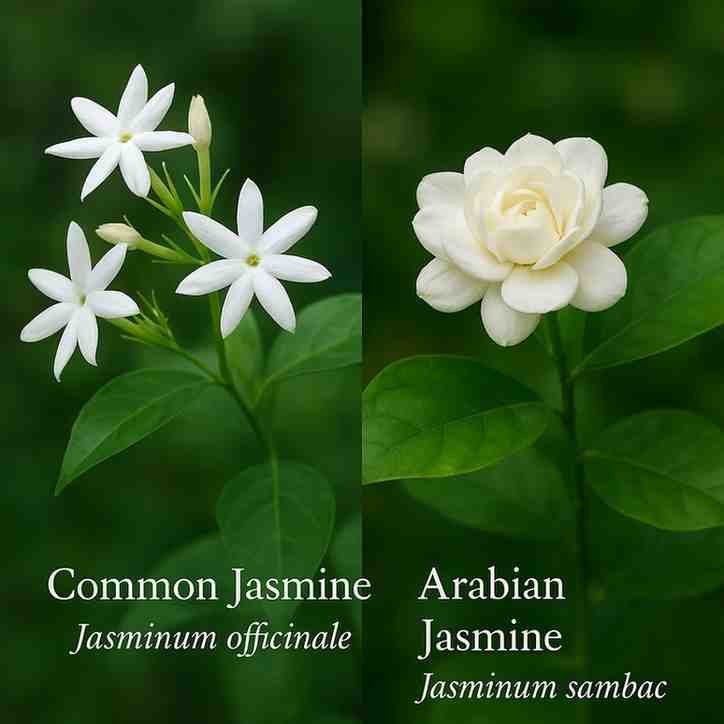
What is the scientific name of flowers? The rose (common flower) scientific name is Rosa (genus).
People consider flowers to be one of the most attractive natural elements, but their true nature is much more than what people usually refer to. Scientists use botanical names to identify flowers, which include Latin names as scientific names because each flower has an official name that provides worldwide identification.
Table of Contents
This guide provides information on the scientific names of flowers and explains their functions and importance. The guide includes a list of famous flowers with their scientific names.
What is the scientific name of flowers?
The scientific name of a flower exists as a global naming system that botanists use to identify plant species. This system uses binomial names to assign two names to each plant species. The first name uses capital letters to represent the genus. The second name uses lowercase letters to represent the species of the organism.
Example:
This system establishes a unique identity for all flowers that exist beyond regional and linguistic boundaries.
Why are scientific names important?
It is important to use scientific names for flowers instead of common names because:
- The names exist as a global standard.
- This system prevents confusion because flowers have multiple local names.
- This system serves as a valuable resource for botanical research and educational purposes.
- This system enables scientists to identify flower species.
Biological Classification of Flowers
| Classification Type | Category | Description |
|---|---|---|
| Life Cycle | Annual | Flowers that complete their life cycle in one growing season (e.g., Marigold) |
| Biennial | Flowers that take two years to complete their life cycle (e.g., Foxglove) | |
| Perennial | Flowers that live and bloom for many years (e.g., Rose) | |
| Structure | Simple | Flowers with a single bloom structure (e.g., Hibiscus) |
| Composite | Flowers made up of multiple small flowers (e.g., Sunflower) | |
| Reproduction | Perfect | Flowers containing both male and female parts (e.g., Lily) |
| Imperfect | Flowers having either male or female parts only | |
| Symmetry | Actinomorphic | Radially symmetrical flowers (e.g., Lotus) |
| Zygomorphic | Bilaterally symmetrical flowers (e.g., Orchid) | |
| Pollination | Self-pollinated | Pollination occurs within the same flower |
| Cross-pollinated | Pollination occurs between different flowers | |
| Habitat | Terrestrial | Flowers that grow on land (e.g., Rose) |
| Aquatic | Flowers that grow in water (e.g., Lotus) |
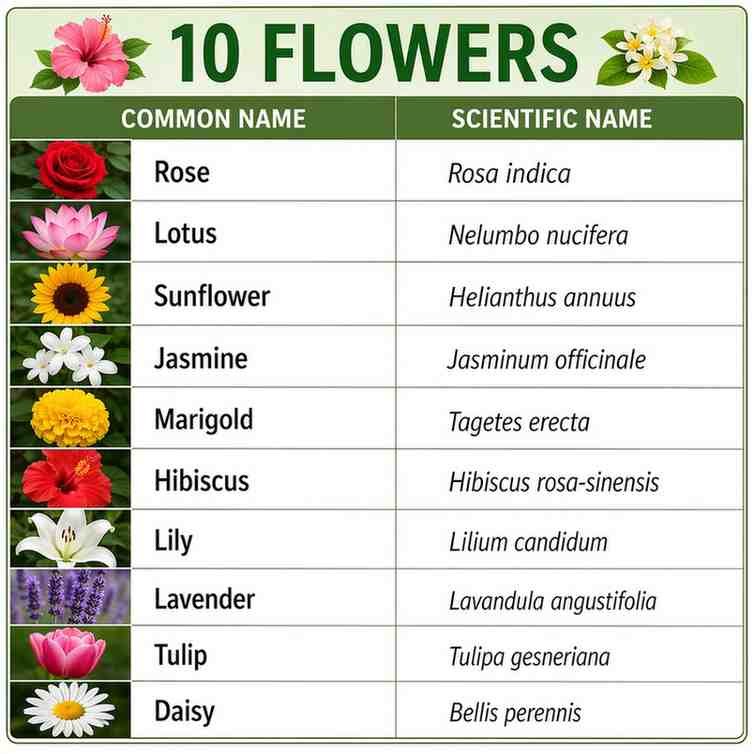
List of Common Flowers with Scientific Names
Here is a useful list of popular flowers with their botanical and biological names:
| Common Name | Scientific Name |
|---|---|
| Rose | Rosa indica |
| Sunflower | Helianthus annuus |
| Lotus | Nelumbo nucifera |
| Lily | Lilium candidum |
| Tulip | Tulipa |
| Daisy | Bellis perennis |
| Hibiscus | Hibiscus rosa-sinensis |
| Jasmine | Jasminum officinale |
| Marigold | Tagetes erecta |
| Orchid | Orchidaceae |
2. Garden Flowers Scientific Names
| Common Name | Scientific Name |
|---|---|
| Rose | Rosa indica |
| Tulip | Tulipa gesneriana |
| Daisy | Bellis perennis |
| Marigold | Tagetes erecta |
| Petunia | Petunia hybrida |
| Pansy | Viola tricolor |
| Zinnia | Zinnia elegans |
| Cosmos | Cosmos bipinnatus |
| Geranium | Pelargonium graveolens |
| Begonia | Begonia semperflorens |
| Snapdragon | Antirrhinum majus |
| Phlox | Phlox drummondii |
| Calendula | Calendula officinalis |
| Verbena | Verbena officinalis |
| Alyssum | Lobularia maritima |
2. Wild Flowers Scientific Names List
| Common Name | Scientific Name |
|---|---|
| Bluebell | Hyacinthoides non-scripta |
| Buttercup | Ranunculus acris |
| Dandelion | Taraxacum officinale |
| Foxglove | Digitalis purpurea |
| Poppy | Papaver rhoeas |
| Cornflower | Centaurea cyanus |
| Clover | Trifolium repens |
| Yarrow | Achillea millefolium |
| Chicory | Cichorium intybus |
| Queen Anne’s Lace | Daucus carota |
| Lupine | Lupinus polyphyllus |
| Black-eyed Susan | Rudbeckia hirta |
| Milkweed | Asclepias syriaca |
| Evening Primrose | Oenothera biennis |
| Goldenrod | Solidago canadensis |
3. Tropical Flowers Scientific Names
| Common Name | Scientific Name |
|---|---|
| Hibiscus | Hibiscus rosa-sinensis |
| Frangipani | Plumeria rubra |
| Bougainvillea | Bougainvillea spectabilis |
| Anthurium | Anthurium andraeanum |
| Heliconia | Heliconia rostrata |
| Bird of Paradise | Strelitzia reginae |
| Orchid | Orchidaceae |
| Lotus | Nelumbo nucifera |
| Jasmine | Jasminum sambac |
| Ixora | Ixora coccinea |
| Ginger Lily | Hedychium coronarium |
| Torch Ginger | Etlingera elatior |
| Canna Lily | Canna indica |
| Tuberose | Polianthes tuberosa |
| Blue Pea | Clitoria ternatea |
4. Medicinal Flowers Scientific Names
| Common Name | Scientific Name |
|---|---|
| Chamomile | Matricaria chamomilla |
| Calendula | Calendula officinalis |
| Lavender | Lavandula angustifolia |
| Hibiscus | Hibiscus rosa-sinensis |
| Jasmine | Jasminum officinale |
| Rose | Rosa indica |
| Lotus | Nelumbo nucifera |
| Saffron | Crocus sativus |
| Echinacea | Echinacea purpurea |
| Dandelion | Taraxacum officinale |
| Arnica | Arnica montana |
| Passion Flower | Passiflora incarnata |
| Elderflower | Sambucus nigra |
| Borage | Borago officinalis |
| Yarrow | Achillea millefolium |
5. Fragrant Flowers Scientific Names
| Common Name | Scientific Name |
|---|---|
| Rose | Rosa indica |
| Jasmine | Jasminum sambac |
| Lavender | Lavandula angustifolia |
| Gardenia | Gardenia jasminoides |
| Tuberose | Polianthes tuberosa |
| Champa | Plumeria alba |
| Honeysuckle | Lonicera japonica |
| Night Blooming Jasmine | Cestrum nocturnum |
| Magnolia | Magnolia grandiflora |
| Freesia | Freesia refracta |
| Hyacinth | Hyacinthus orientalis |
| Lilac | Syringa vulgaris |
| Sweet Pea | Lathyrus odoratus |
| Dianthus | Dianthus caryophyllus |
| Osmanthus | Osmanthus fragrans |
6. Seasonal Flowers Scientific Names List
| Common Name | Scientific Name |
|---|---|
| Petunia | Petunia hybrida |
| Marigold | Tagetes erecta |
| Zinnia | Zinnia elegans |
| Cosmos | Cosmos bipinnatus |
| Sunflower | Helianthus annuus |
| Pansy | Viola tricolor |
| Phlox | Phlox drummondii |
| Nasturtium | Tropaeolum majus |
| Alyssum | Lobularia maritima |
| Verbena | Verbena officinalis |
| Salvia | Salvia splendens |
| Coreopsis | Coreopsis tinctoria |
| Gaillardia | Gaillardia pulchella |
| Impatiens | Impatiens walleriana |
| Larkspur | Delphinium ajacis |
7. Perennial Flowers Botanical Names
| Common Name | Scientific Name |
|---|---|
| Lavender | Lavandula angustifolia |
| Peony | Paeonia officinalis |
| Coneflower | Echinacea purpurea |
| Daylily | Hemerocallis fulva |
| Iris | Iris germanica |
| Hosta | Hosta plantaginea |
| Black-eyed Susan | Rudbeckia hirta |
| Yarrow | Achillea millefolium |
| Chrysanthemum | Chrysanthemum indicum |
| Shasta Daisy | Leucanthemum superbum |
| Columbine | Aquilegia vulgaris |
| Hellebore | Helleborus niger |
| Astilbe | Astilbe chinensis |
| Sedum | Sedum spectabile |
| Lupine | Lupinus polyphyllus |
8. Annual Flowers Biological Names List
| Common Name | Scientific Name |
|---|---|
| Sunflower | Helianthus annuus |
| Marigold | Tagetes erecta |
| Petunia | Petunia hybrida |
| Zinnia | Zinnia elegans |
| Cosmos | Cosmos bipinnatus |
| Pansy | Viola tricolor |
| Nasturtium | Tropaeolum majus |
| Alyssum | Lobularia maritima |
| Phlox | Phlox drummondii |
| Larkspur | Delphinium ajacis |
| Sweet Pea | Lathyrus odoratus |
| Calendula | Calendula officinalis |
| Cornflower | Centaurea cyanus |
| Cleome | Cleome hassleriana |
| Balsam | Impatiens balsamina |
9. Ornamental Flowers Latin Names
| Common Name | Scientific Name |
|---|---|
| Rose | Rosa indica |
| Tulip | Tulipa gesneriana |
| Orchid | Orchidaceae |
| Lily | Lilium candidum |
| Chrysanthemum | Chrysanthemum indicum |
| Dahlia | Dahlia pinnata |
| Gladiolus | Gladiolus hortulanus |
| Carnation | Dianthus caryophyllus |
| Gerbera | Gerbera jamesonii |
| Begonia | Begonia semperflorens |
| Petunia | Petunia hybrida |
| Pansy | Viola tricolor |
| Zinnia | Zinnia elegans |
| Hydrangea | Hydrangea macrophylla |
| Camellia | Camellia japonica |
10. Aquatic Flowers Scientific Names
| Common Name | Scientific Name |
|---|---|
| Lotus | Nelumbo nucifera |
| Water Lily | Nymphaea alba |
| Blue Lotus | Nymphaea caerulea |
| Yellow Water Lily | Nuphar lutea |
| Sacred Lotus | Nelumbo nucifera |
| Water Hyacinth | Eichhornia crassipes |
| Pickerel Weed | Pontederia cordata |
| Water Poppy | Hydrocleys nymphoides |
| Arrowhead | Sagittaria sagittifolia |
| Water Hawthorn | Aponogeton distachyos |
| Duckweed | Lemna minor |
| Frogbit | Hydrocharis morsus-ranae |
| Water Clover | Marsilea quadrifolia |
| Floating Heart | Nymphoides indica |
| Water Lotus | Nelumbo lutea |
Conclusion
The scientific names of flowers provide you with a better understanding of plant species and their classification. The names that people use to describe plants, such as botanical names, Latin names, or biological names, enable them to identify flowers from all over the world.
FAQs About Flowers
What is the scientific name of a flower?
A scientific name is a two-part Latin name used to uniquely identify a flower, such as Rosa indica for the rose.
Why do flowers have scientific names?
To provide a universal identification system and avoid confusion caused by different local names.
Are botanical and scientific names the same?
Yes, botanical names are another term for scientific names used in the classification of plants.
How are flower scientific names written?
They are written in Latin, italicized, with the genus capitalized and species lowercase.